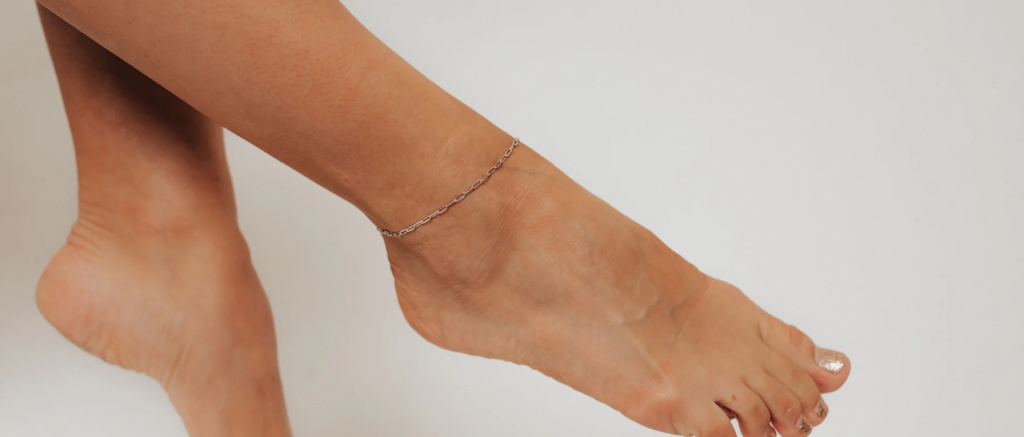
Maintaining metal necklaces is essential for preserving their beauty and longevity. Different types of maintenance can help prevent wear and damage, ensuring that the necklace remains in good condition for years.
Identifying Maintenance Requirements
Knowing the specific maintenance needs of metal necklaces can help in the long run. Factors such as the type of metal used in the necklace and how often it is worn affect maintenance requirements.
For instance, sterling silver may tarnish and require more frequent cleaning compared to stainless steel, which is more resistant to corrosion. She may want to check for any signs of damage or wear regularly.
Understanding how often to clean and inspect is key to preventing issues. Condition-based maintenance focuses on examining the necklace for signs of wear, while time-based maintenance suggests cleaning it at regular intervals.
Types of Maintenance for Metal Necklaces
There are several types of maintenance strategies to consider for metal necklaces. A well-rounded maintenance program might include preventive and corrective maintenance.
Preventive maintenance includes regular cleaning and proper storage. For example, using a soft cloth after wearing can help remove oils and dirt that accumulate.
Corrective maintenance becomes important when damage or tarnish appears. This might involve using solutions specifically designed for metal cleaning or seeking professional repairs for more serious issues.
Risk-based maintenance assesses the likelihood of damage based on environmental factors, like humidity or exposure to chemicals. She should adapt her care routine accordingly.
Practical Cleaning Methods
Keeping fashion necklaces looking their best requires regular cleaning and proper techniques for tougher stains. Different materials may need specific approaches, but basic methods can apply to most accessories.
Routine Cleaning Techniques
Routine cleaning can significantly extend the life of fashion necklaces. A simple solution of mild soap and warm water works well for many metals such as steel, aluminum, and titanium.
To clean, follow these steps:
- Mix soap and warm water in a bowl.
- Use a soft cloth to dip into the solution.
- Gently wipe the necklace, avoiding any aggressive scrubbing that may cause scratches.
For frequent wear, this method should be employed at least once a month to prevent build-up of dirt and oils. This simple maintenance will maintain the necklace’s shine.
Approaching Stubborn Stains and Discoloration
Sometimes, stains and discoloration may require more than just soap and water. For stubborn stains, an approach using hydrochloric acid should be considered but handled with care.
- For metal items like magnesium or ipe, dilute the acid with water in a safe container.
- Apply with a soft brush to stained areas and rinse thoroughly with water afterward.
It is crucial to test any cleaning solution on a small, inconspicuous area first. Regular maintenance resources can also provide specific techniques tailored to the particular metal used in the necklace, ensuring they stay beautiful and free from discoloration.
Preventing Wear and Tear
To ensure fashion necklaces remain visually appealing and functionally sound, it is crucial to focus on preventing wear and tear. Protecting against scratches and corrosion, as well as addressing environmental contaminants, are key factors in maintaining their longevity.
Protecting Against Scratches and Corrosion
To maintain the appearance of fashion necklaces, it is essential to shield them from scratches and corrosion. Regular cleaning helps remove any built-up dirt, dust, or oils that can lead to dullness over time.
Using soft cloths for polishing is effective. When storing necklaces, they should be kept in separate pouches or compartments to prevent contact with other items.
Applying a protective coating or using jewelry-specific products can also help guard against rust and corrosion. These products create a barrier to moisture and contaminants, extending the jewelry’s life.
Addressing Environmental Contaminants
Environmental factors play a significant role in the wear and tear of fashion necklaces. Exposure to pollutants, dust, and moisture can lead to contamination and potential damage.
To mitigate these risks, regular cleaning is essential. An appropriate solution for cleaning metal surfaces can prevent stains and keep jewelry looking new. Additionally, storing necklaces in dry, clean environments reduces the risk of exposure to harmful elements.
Frequent maintenance is vital for ensuring the necklaces remain in good condition. Predictive maintenance, such as monitoring the condition of the jewelry, allows owners to address issues before they escalate.
Considerations for Industrial Applications
In various industries, understanding the maintenance requirements of metals such as steel, aluminum, titanium, and magnesium is crucial. Companies must have effective maintenance programs tailored to address the specific needs of these materials while considering applications and potential risks.
Maintenance in Various Industries
Different industries place unique demands on metal components. For instance, in the aerospace sector, titanium is favored for its strength-to-weight ratio. Regular inspections and condition monitoring programs ensure that any signs of fatigue or corrosion are promptly addressed.
In the automotive industry, aluminum is commonly used due to its lightweight nature. Maintenance involves regular checks for any surface oxidation and ensuring protective coatings remain intact to prolong the material’s lifespan.
Steel is prevalent in construction due to its durability. Proper maintenance includes applying anti-corrosive treatments and scheduling regular assessments to follow any signs of rust or degradation.
Materials and Their Specific Care
Each metal requires specific care practices to maximize its lifespan. Titanium is resistant to corrosion but may need regular cleaning to prevent particle buildup. A mild detergent and water are often sufficient for maintenance.
Aluminum should be regularly inspected for scratches or damage to protective coatings. If any compromises occur, reapplication of the coating is recommended.
Magnesium, being more reactive, requires careful handling. Protective coatings must be frequently inspected and repaired to minimize corrosion risk.
Lastly, steel benefits from a maintenance schedule that includes rust inspections and reapplication of protective paint. Consistent risk assessment can help identify vulnerable areas, ensuring a proactive approach to any maintenance needs.
Understanding Material Properties and Maintenance
Knowing the properties of materials is key for proper care and maintenance. Different metals have unique characteristics that affect their reliability and longevity.
Density plays a role in how heavy a metal feels and can influence its use in fashion. Lightweight metals are often more comfortable for wear, while denser options may offer durability.
Emissions can be a concern during production. Choosing metals from eco-friendly sources helps reduce environmental impact.
Metals can face degradation over time due to exposure to moisture and pollutants. Regular cleaning can prevent buildup that leads to issues like rust.
Mildew is not typically a concern for metals, but it’s important to store fashion pieces in dry places to avoid damage from moisture.
For structures like metal roofs, maintenance varies. Risk-based maintenance strategies can assess potential problems and prioritize care based on the metal’s condition and environment.
Both preventive maintenance (PM) and corrective maintenance (CM) are crucial. PM focuses on regular tasks to prevent issues, while CM addresses problems as they arise. Regular inspections help ensure long-term reliability.
Free iron can lead to rust, especially in certain metals. Avoiding this is important for keeping pieces looking new.
By understanding material properties, one can enjoy fashion pieces longer and maintain their appearance with simple care routines.
Frequently Asked Questions
This section addresses common concerns and queries regarding the care and environmental impact of metal fashion necklaces. It covers cleaning methods, the effects of metal production, and ways consumers can be more responsible.
How should I clean and maintain my metal fashion necklace to ensure its longevity?
To clean a metal fashion necklace, gently wipe it with a soft, lint-free cloth after each use. For deeper cleaning, a mixture of mild soap and warm water can be used. Avoid harsh chemicals, as they can damage the metal’s finish.
What are the potential environmental impacts of metal production and disposal?
Metal production can lead to habitat destruction, pollution, and high energy consumption. When disposed of improperly, metal jewelry can contribute to soil and water contamination, affecting local ecosystems.
In what ways can consumers reduce the environmental footprint when purchasing metal-based jewelry?
Consumers can opt for recycled metals or sustainably sourced materials. Supporting brands with ethical practices and certifications also helps reduce the overall impact of metal production.
What are the common causes of heavy metal pollution in water and soil?
Heavy metal pollution often results from industrial discharges, mining activities, and improper waste disposal. Certain agricultural practices, like the use of pesticides, can also contribute to contamination.
How can one identify contamination of heavy metals in consumer products?
Testing kits are available for consumers to check for heavy metals in products. Additionally, checking product labels and seeking brands with transparent sourcing can help identify safe items.
What cleaning agents are safe to use on metal jewelry to prevent damage and wear?
Mild soap combined with water is a safe option for cleaning metal jewelry. Avoid using abrasive cleaners, bleach, or ammonia, as these can scratch or tarnish the metal’s surface.