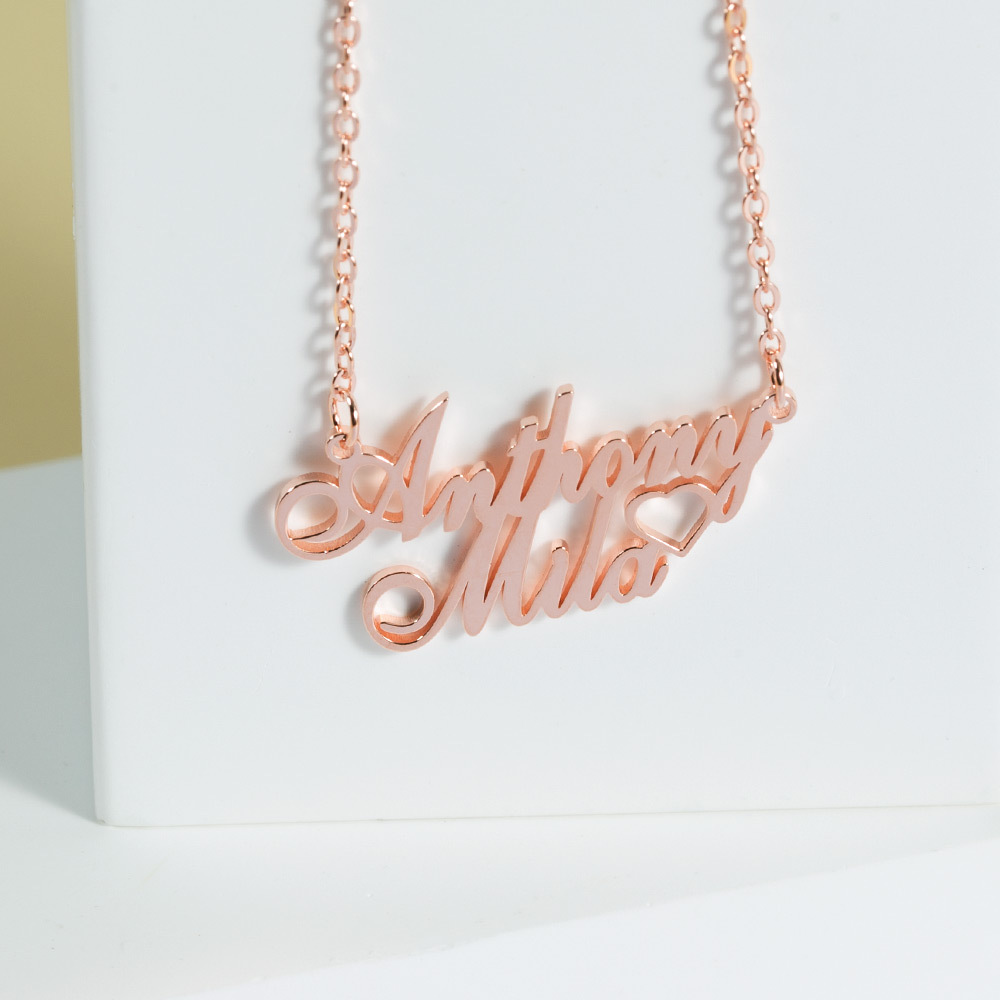
Inspiration Guide · DIY Foot Jewelry
25 DIY Foot Jewelry Ideas
That Actually Look Good
(And 3 You Should Just Buy)
DIY foot jewelry is one of the few jewelry categories where making it yourself is genuinely viable. Unlike rings or necklaces — where the precision required tends to outpace beginner skills — ankle bracelets are forgiving enough to produce good results on a first attempt. The materials are inexpensive, the techniques are learnable in an afternoon, and the style range is wide enough to suit almost any aesthetic from bohemian beach to minimal everyday. These 25 ideas are organized by style category so you can go directly to the ones that fit how you actually dress. And if after browsing you decide the personalized version with an engraved name or date is what you’re really looking for, those are available here — waterproof, eco-friendly, and made to last.
A few notes before you start: most of these ideas use materials available at any craft store for under $15. Where an idea requires a specific skill — wire wrapping, knotting technique, clasp work — that’s noted. The difficulty ratings are honest: Beginner means no prior jewelry experience needed. Intermediate means you’ve made something with tools before. Advanced means you’re comfortable with pliers and patience.
Bohemian & Natural
Ideas 1–5Three strands of natural hemp cord braided together with a simple sliding knot closure. No tools needed. Cut each strand to 24 inches, knot them together at the fold, braid to 9 inches, then tie a finishing knot. The natural color works with everything; add a single wooden bead at the center for a focal point.
Irregular turquoise chip beads strung on stretch elastic give a bohemian look that’s forgiving to make and comfortable to wear. The irregular shapes mean imperfect spacing looks intentional rather than sloppy. Mixed with a few small copper spacer beads, this reads as far more considered than the materials cost suggests.
A series of square knots in waxed cotton cord creates a textured, wide-band effect that sits differently from a simple braid. The technique takes thirty minutes to learn from a tutorial video and produces a piece that looks genuinely crafted. Keep the cord a single color for a cleaner result — natural cream or terracotta read best against bare skin.
Seed beads worked into a simple feather or leaf pattern on a stretch base. The pattern takes more time than the technique — once you have the sequence right, the execution is straightforward. Earth tones (rust, ochre, cream) work best for the bohemian aesthetic. A good weekend project that produces something genuinely wearable.
A thin leather strip (2–3mm wide) wrapped once around the ankle with a small hammered stone or shell pendant attached at the center. The leather ties at the back with a simple bow or knot. Keep the pendant small — a 10mm drop is enough. This style works particularly well with sandals and reads as intentional rather than handmade.
Minimal & Everyday
Ideas 6–10A 2mm rolo or cable chain cut to length and finished with a lobster clasp and one jump ring. This is the closest DIY equivalent to a store-bought chain anklet. The result depends almost entirely on the chain quality — buy the best you can afford, and choose a matte finish over a high shine for a more contemporary look.
Paperclip chain (oval interlocking links, 3–4mm) is the current minimal-jewelry trend translated to the ankle. It’s slightly more visible than a fine cable chain, which means it photographs well and shows up against bare skin. Simply cut to length and add a clasp using jump rings. One small charm at the center keeps it from reading as purely functional.
A single strand of 1mm silk cord tied with a sliding Chinese crown knot at the back — infinitely adjustable, incredibly comfortable, and one of the cleanest looks in the minimal category. The knot construction takes ten minutes to learn and looks intentional enough that no one will know it’s not bought. Best in black, ivory, or terracotta.
One freshwater pearl on a head pin, wrapped into a loop, then attached to the center of a fine chain. The single pearl drop at the center of the ankle is elegant enough for dressier occasions and understated enough for daily wear. Use a slightly baroque pearl (irregular shape) rather than a round one — it reads as less costume-y and more considered.
A small rectangular bar stamped or blank attached to the center of a fine chain. The bar charm is the minimal jewelry staple that works at the ankle exactly as well as at the wrist. You can find plain bar charms at any jewelry supply store; pair with a 1.5mm satellite chain for a combination that sits cleanly and reads as refined. If you want your initial or name on the bar, the engraved initial styles here achieve that at a quality level that’s difficult to replicate by hand.
Beach & Summer
Ideas 11–15Puka shells strung on stretch cord or knotted between each shell on nylon thread. The knotted version keeps shells evenly spaced and looks more finished than the stretch version. Source shells from a craft store rather than a beach — beach-found shells vary too much in size to produce a clean result. Mixed with small seed beads between shells, the piece reads as more deliberate.
Three to five cowrie shells attached to a fine chain using jump rings, spaced evenly along the length. The shells move independently as you walk, which is part of the appeal. Drill small holes through the top of each shell with a fine bit if they don’t come pre-drilled — this is the most technically demanding step of an otherwise simple project.
Multicolor seed beads in a gradient or random pattern on stretch elastic. The beach context is the one place where color saturation works — the light is bright enough that the colors read as playful rather than loud. Use size 11/0 seed beads for a fine, delicate result. Make two or three to stack, varying the color combinations.
A fine chain running from a simple toe ring to an ankle bracelet, connected at both ends. This is the most technically complex style on the list — the fit needs to accommodate actual walking, which means the chain length requires careful calibration. Too short and it pulls at the toe; too long and it bunches. Worth making if you want something genuinely unusual.
A single strand of polyester or nylon cord in a single bright color, tied with a simple sliding knot. The waterproof cord survives beach, pool, and daily shower — unlike cotton or hemp versions. This is the most genuinely practical DIY beach anklet and one of the few homemade styles that holds up through summer the way a properly made piece would.
“The best DIY foot jewelry ideas are the ones you’ll actually finish — which almost always means starting simpler than you think you need to.”
Layered & Stacked
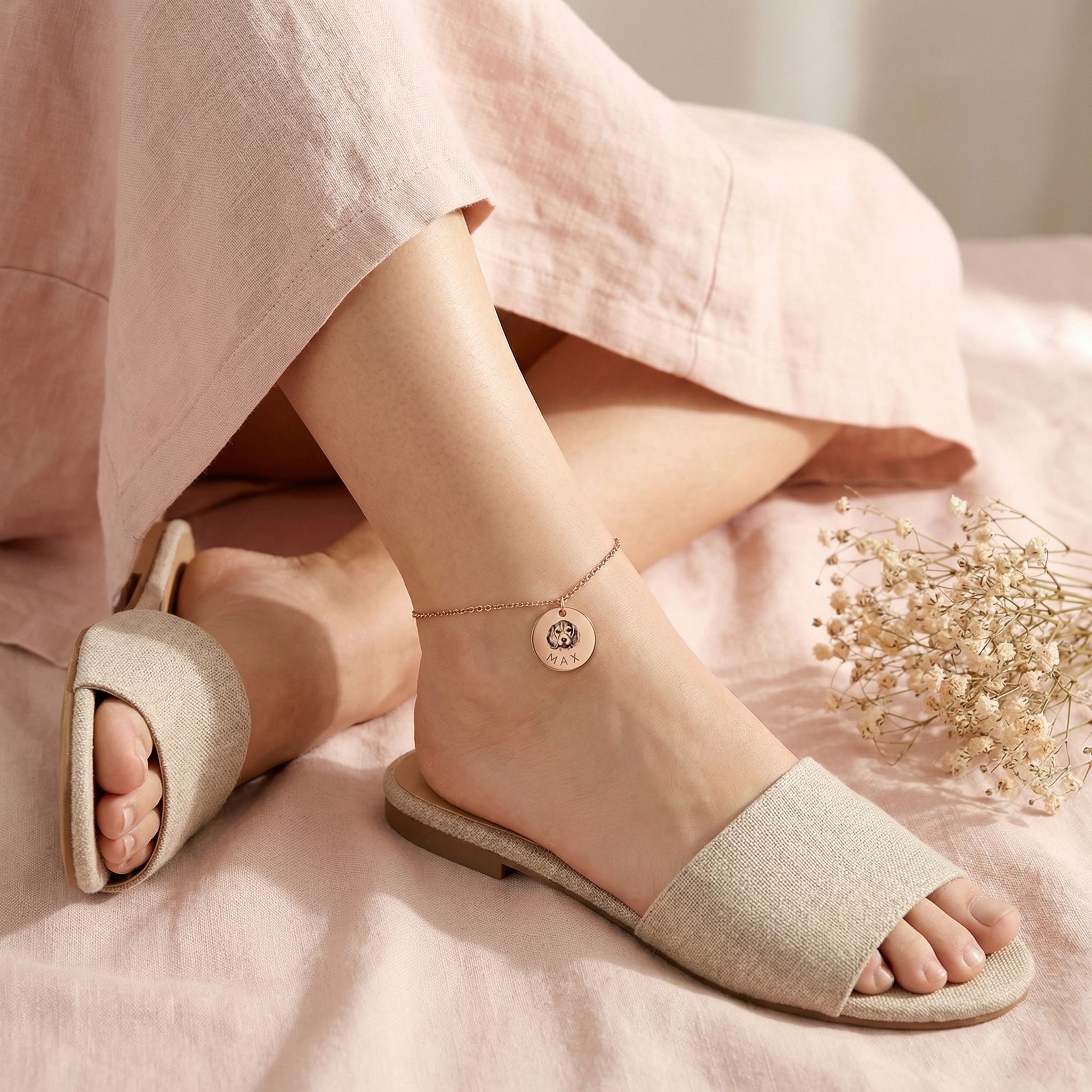
Ideas 16–20A 1.5mm satellite chain worn alongside a 3mm cable chain, each with its own clasp, sitting at slightly different heights on the ankle. This is the simplest stacking formula and the most reliable — the weight contrast creates visual interest without requiring the pieces to match. Wear the heavier chain slightly lower for the best effect.
A fine chain worn alongside a thin knotted cord in a complementary color. The metal and textile contrast is what makes this work — it creates a curated-over-time feeling that’s harder to achieve when all your pieces are the same material. Keep the cord minimal — one color, no beads — so it reads as a style choice rather than an afterthought.
A simple seed bead stretch anklet worn alongside a plain fine chain. The bead piece provides color and texture; the chain provides structure. Together they create a layered look without any technical complexity — you’re simply wearing two pieces at once, with the combination doing the styling work. Choose bead colors that complement whatever you’re wearing most often.
Three fine chains of slightly different lengths and weights, all in the same finish tone, clasp at different points on the ankle. The key is keeping all three in the same finish family — mixing tones across a three-piece stack looks accidental rather than intentional. Space them about 3–4mm apart. This is the ankle equivalent of a ring stack and photographs exceptionally well.
Two chains of equal length attached at both ends to a single clasp using end bars, with a small charm or initial pendant hanging between them at the center. The double-chain effect creates a layered look in a single piece — neater than two separate chains and easier to manage. If you want the version with a custom-engraved initial already attached, that’s available as a ready-made piece with a waterproof, hypoallergenic finish.
Occasion & Special Wear
Ideas 21–25A fine chain with freshwater pearl drops attached at evenly spaced intervals — three, five, or seven pearls depending on the chain length. The pearl-to-chain ratio should feel balanced: too many pearls and it looks heavy; too few and the chain dominates. Worn barefoot under a wedding dress, this registers beautifully in close-up photographs without competing with any other jewelry.
Small crystal or rhinestone beads attached to a delicate chain using head pins and wire-wrapped loops. The crystals catch light as you walk, which makes this style particularly effective for evenings and events. Keep the chain ultra-fine (1–1.5mm) so the crystals read as floating rather than hung from something substantial. A tonal color palette — all clear, all champagne, or all rose — looks more considered than mixed crystal colors.
A single birthstone bead or small gemstone drop on a fine chain. The birthstone concept adds meaning to a simple piece without requiring engraving skill. Choose genuine semi-precious stones over glass imitations — the weight and color depth of a real stone is noticeably different and worth the small extra cost. Works as both a self-purchase and a genuinely thoughtful gift.
Two identical braided or beaded anklets made at the same time, one for each person. The friendship bracelet format translates directly to the ankle with an extra inch of length. Making them together is part of the point — the shared process is as meaningful as the finished piece. For a more lasting version with an initial or date that requires no making, a personalized date anklet carries the same sentiment with considerably more durability.
A chain with five to seven small charms collected over time — each one attached with a jump ring at different links so they’re spaced unevenly. The unevenness is intentional and is what makes this look like something accumulated rather than designed. Each charm can mean something specific or be chosen purely for aesthetics. This is the most personal DIY ankle jewelry style on this list, precisely because no two are identical.
Hand-stamping or DIY engraving rarely produces results that look clean at the small scale required for an anklet charm. The letters compress, the spacing becomes inconsistent, and the finish tends to look amateur rather than personal. If the point is to carry a name, a date, or a set of initials — something that means something specific — a professionally engraved piece from a maker using precision equipment is genuinely different from anything achievable with home tools. The custom date and name styles here are the version worth wearing for years rather than weeks.
Most DIY materials — cotton cord, standard chain findings, plated jump rings — are not built for daily contact with water, sweat, and sunscreen. They tarnish, they fade, they mark skin. If you want an anklet you put on and never take off — through beach days, showers, and daily life — the material requirements are beyond what most home jewelry supplies can provide. Eco-friendly, hypoallergenic, tarnish-free materials at that standard require industrial finishing processes. This is where a properly made waterproof anklet earns its price over anything hand-assembled.
A handmade anklet given as a gift is a lovely gesture when the relationship supports it. For more formal gift contexts — a milestone birthday, a Mother’s Day present, a graduation gift — the finish quality of a handmade piece can undermine the sentiment rather than amplify it. A personalized anklet that arrives in gift-ready packaging, engraved with something specific to the recipient, communicates the same level of thought with a finish quality that matches the occasion. The personalized initial and name styles here ship ready to give, no extra packaging needed.
The Materials That
Actually Work for Anklets
Not all jewelry materials perform equally well at the ankle. The foot is subject to more friction, more moisture, and more movement than the wrist. Here’s what holds up and what doesn’t:
Handles moisture well, doesn’t fray easily, available in every color. The wax coating also helps knots hold. Best for styles 1, 3, 8, 15.
Doesn’t tarnish or mark skin with moisture exposure. Worth spending more on findings even if you save on chain. Look for “hypoallergenic” on the packaging.
Essential for bead styles worn daily. Use a surgeon’s knot and seal with clear nail polish — this is the single step most beginners skip and regret.
Heavier than glass, more durable than acrylic, and the color depth is noticeably better. Worth the extra few pounds for the finished look difference.
Fine for occasional wear, deteriorates quickly with regular water exposure. Limit to styles worn only in dry conditions.
The plating wears through faster at the ankle than at the wrist. Fine for occasional-wear pieces; avoid for anything intended as daily jewelry.
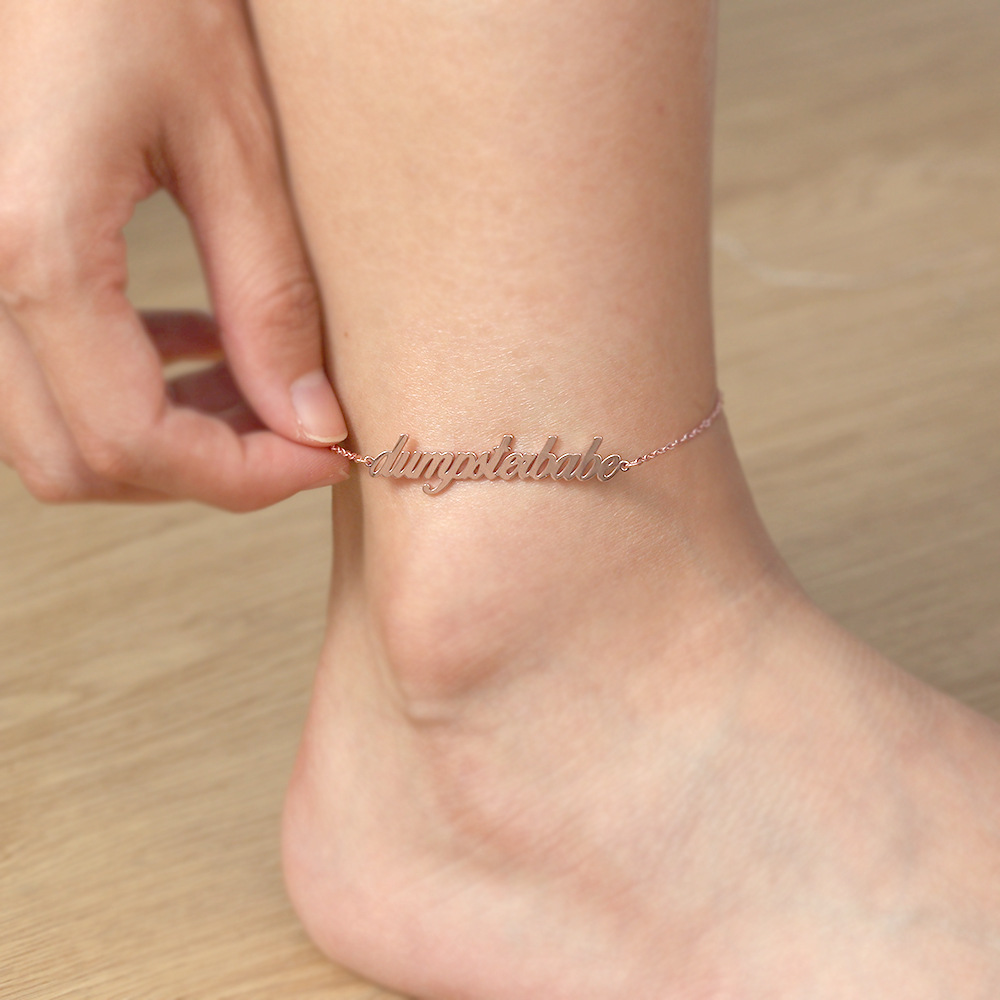
Name. Date. Initial.
Engraved and Ready to Wear.
Eco-friendly, hypoallergenic, waterproof custom anklets — the styles that are genuinely worth buying rather than making. Adjustable, ships gift-ready.
✦ Free engraving · Adjustable fit · See all personalized styles