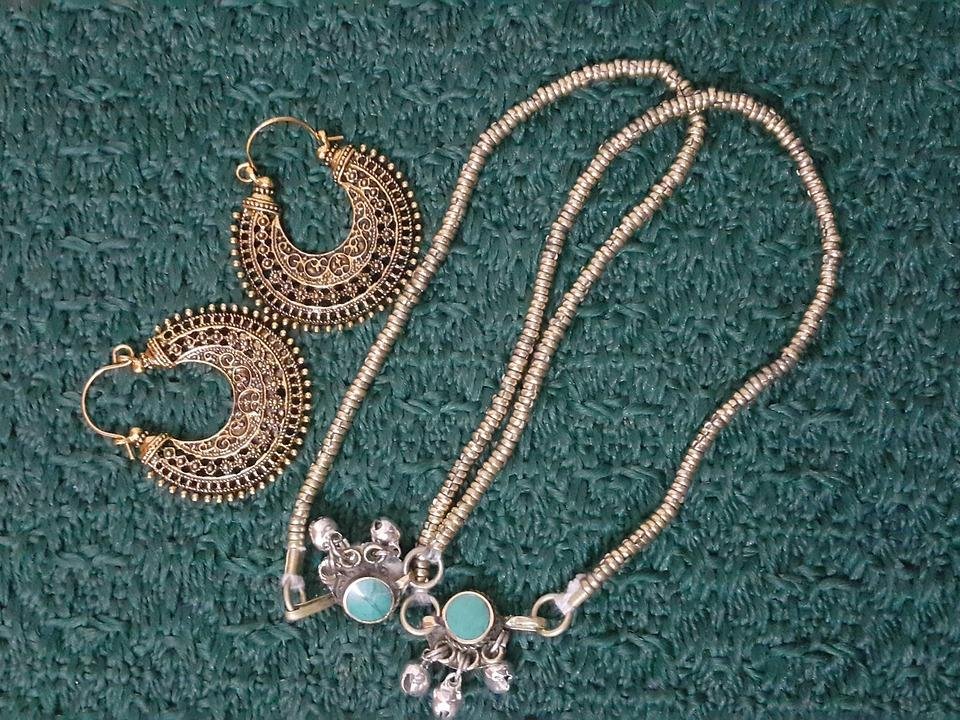
Throughout history, metal anklets have served as more than mere accessories; they embody cultural significance and personal identity across various societies. These adornments have been linked to social status, beliefs, and even rituals, showcasing the rich tapestry of human expression through their design and use. From ancient Egypt, where they were symbols of wealth, to the traditional attire of Indian dancers, metal anklets have woven their way through time, adapting yet remaining rooted in cultural heritage.
In many cultures, anklets are not just ornamental; they fulfill practical purposes as well. They often accompany dance performances, enhancing the auditory experience with their rhythmic jingling. This demonstrates their role in celebrating both artistry and heritage, reflecting the values and traditions of the communities that wear them.
As contemporary fashion continues to evolve, the legacy of metal anklets persists, transcending boundaries and inspiring new generations. Exploring the journey of these adornments reveals deeper insights into the values and aesthetics of the cultures that embraced them, making the history of metal anklets a fascinating subject worthy of examination.
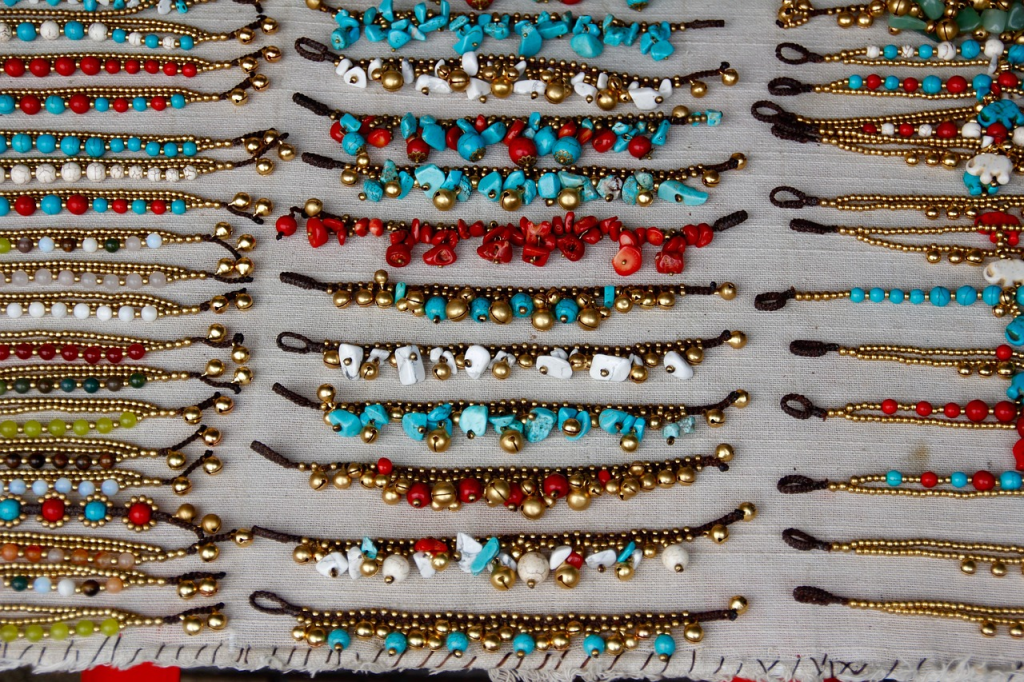
Ancient Civilizations And Metal Anklets
Metal anklets have played significant roles in ancient cultures, serving various purposes beyond mere adornment. Their craftsmanship and materials reflect the society’s values and beliefs.
Egypt
In ancient Egypt, metal anklets were more than decorative items; they symbolized status and wealth. Often made from gold or silver, these anklets featured intricate designs and hieroglyphs. The Egyptians believed that wearing gold anklets could help protect against evil spirits.
Archaeological findings indicate that both men and women adorned their ankles with metal jewelry. This practice was prevalent among the elite, showcasing their affluence. Notably, anklets were often buried with individuals to accompany them in the afterlife.
India
India has a rich tradition of metal anklets, known as “payal” or “anklet,” adorned with bells and intricate designs. They have been worn for centuries by women, often as part of traditional attire. Handmade jewelry reflects local craftsmanship, using materials like silver and gold.
The significance of these anklets extends into cultural rituals, where the sound of the bells is believed to ward off negative energy. In various regions, the design and style of anklets can signify marital status and social identity.
Mesopotamia
In Mesopotamia, metal anklets were indicators of social rank and affiliation. Crafted from bronze and gold, these anklets frequently included elaborate, engraved patterns. They were often worn by both men and women, highlighting their importance in social and religious contexts.
Moreover, metal anklets were sometimes featured in ceremonial practices. These items were not merely decorative; they played pivotal roles in rituals and were believed to possess protective qualities, keeping wearers safe from malevolent forces.
Metal Anklets In Traditional Cultures

Metal anklets hold significant meaning in various traditional cultures around the world. They serve not only as adornments but also as important symbols of identity, status, and cultural heritage. Their materials, designs, and uses can vary widely, reflecting the unique customs of each region.
African Cultures
In numerous African cultures, metal anklets are prominent among various ethnic groups. They are often crafted from materials like brass, copper, and silver. These anklets can signify marital status and social standing.
For instance, amongst the Yoruba people in Nigeria, metal anklets are worn during traditional ceremonies and dances. They enhance the beauty of the wearers and create a rhythmic sound that adds to the celebratory atmosphere.
In regions like West Africa, intricate designs may feature symbols and motifs that tell stories or represent tribal affiliations. Such anklets can be a source of pride and connection to ancestral roots.
Middle Eastern Cultures
Middle Eastern cultures also have a rich history of metal anklets. In many Arab countries, anklets are adorned with charms and bells that jingle with every movement. This sound is often associated with femininity and beauty.
In traditional Bedouin society, women frequently wear silver anklets as part of their wedding attire. These anklets symbolize wealth and are often passed down through generations as family heirlooms. Their designs range from simple to elaborate, often incorporating intricate filigree work.
Additionally, in some cultures, wearing anklets can signify a woman’s readiness for marriage and her connection to her cultural roots. This reflects the important role jewelry plays in personal and communal identity.
South Asian Cultures
In South Asia, particularly in India, metal anklets have been integral to traditional attire for centuries. They are commonly made from silver or gold and are referred to as “payal” or “nupur.”
In Hindu culture, married women often wear intricately designed metal anklets, signifying their marital status. The sound of these anklets is believed to ward off evil spirits, serving both aesthetic and protective purposes.
During festivals and special occasions, anklets are frequently adorned with gemstones and bells, enhancing their decorative appeal. In some regions, metal anklets serve as a symbol of femininity and grace, reflecting deep cultural values tied to womanhood.
The Evolution Of Metal Anklets In Modern Times
In the mid-20th century, metal anklets began to gain popularity as stainless steel jewelry emerged. This material offered a modern look, aligning well with the sleek fashions of the 1950s and 1960s.
During this time, anklets transitioned from traditional use to becoming fashion statements. Designers started incorporating various metals, including silver and gold, providing options for various aesthetics.
The 1980s and 1990s saw further evolution as anklets became popular among various subcultures. From bohemian styles to punk influences, the designs varied broadly, catering to individual tastes.
In recent years, metal anklets have experienced a significant resurgence. Modern trends favor bold designs, layering, and personalization. Consumers now seek unique pieces that reflect their identity.
Today, metal anklets are worn by both men and women, showcasing versatility across cultures. They can be simple chains, adorned with charms, or even engraved, allowing for customization.
As fashion continues to evolve, metal anklets remain a staple accessory, bridging traditional craftsmanship with contemporary style. They embody a rich history while adapting to modern aesthetics and cultural practices.
Conclusion
Metal anklets have served various purposes throughout history and across cultures.
In ancient civilizations, these adornments symbolized status and identity. They were crafted from materials like gold, bronze, and silver, reflecting wealth and craftsmanship.
Different cultures emphasized unique designs and meanings. For instance, in African traditions, metal anklets often denoted marital status or social standing, as seen in the diverse practices of adornment.
In contrast, ancient Greek and Roman societies utilized anklets as fashion statements. They became a popular accessory among both men and women.
Furthermore, metal anklets find a significant place in performance arts. In traditional dances, such as Bharatanatyam, the sound of anklets contributes to the rhythmic experience.
Today, metal anklets continue to be fashionable and meaningful. They bridge cultural heritage and modern aesthetics, captivating wearers globally.
The evolution of metal anklets illustrates their enduring appeal. They reflect the rich tapestry of human expression and style across time and geography.