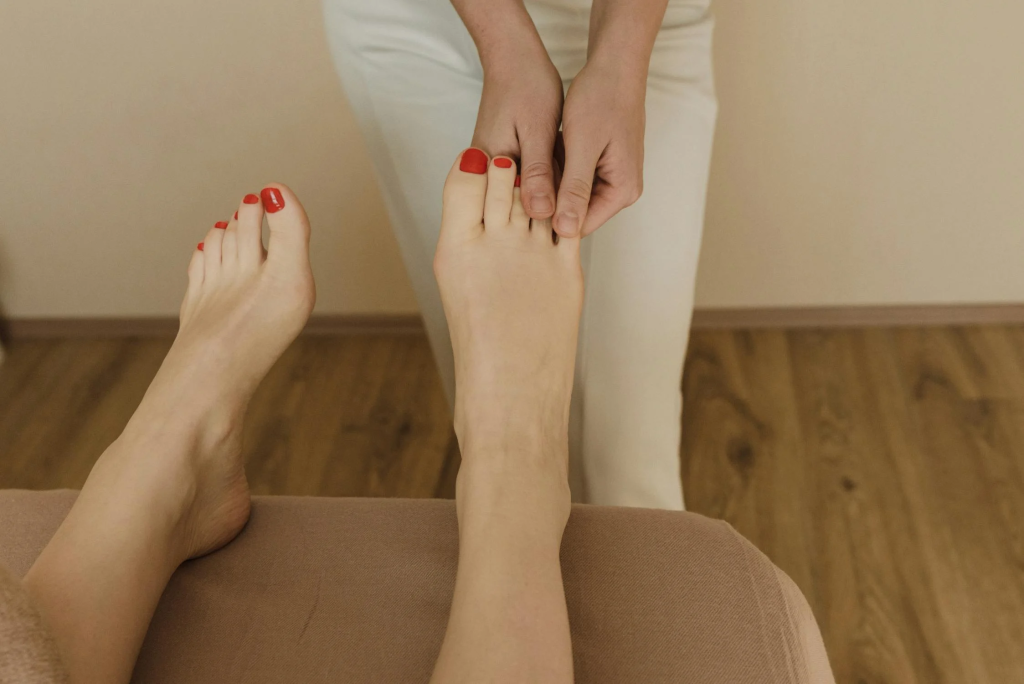
Glycolic foot peel masks are a popular choice for achieving soft and smooth feet. These masks can be used every 4 to 6 weeks to give your skin time to recover between treatments. Many users find this routine helps minimize roughness and calluses effectively.
Different products may vary in strength and ingredients. It’s important to read labels and follow instructions closely. For those new to glycolic peels, a patch test is recommended to ensure skin compatibility.
Regular use can lead to better results, but moderation is key. Skipping a few weeks between applications can help maintain healthy feet without irritation.
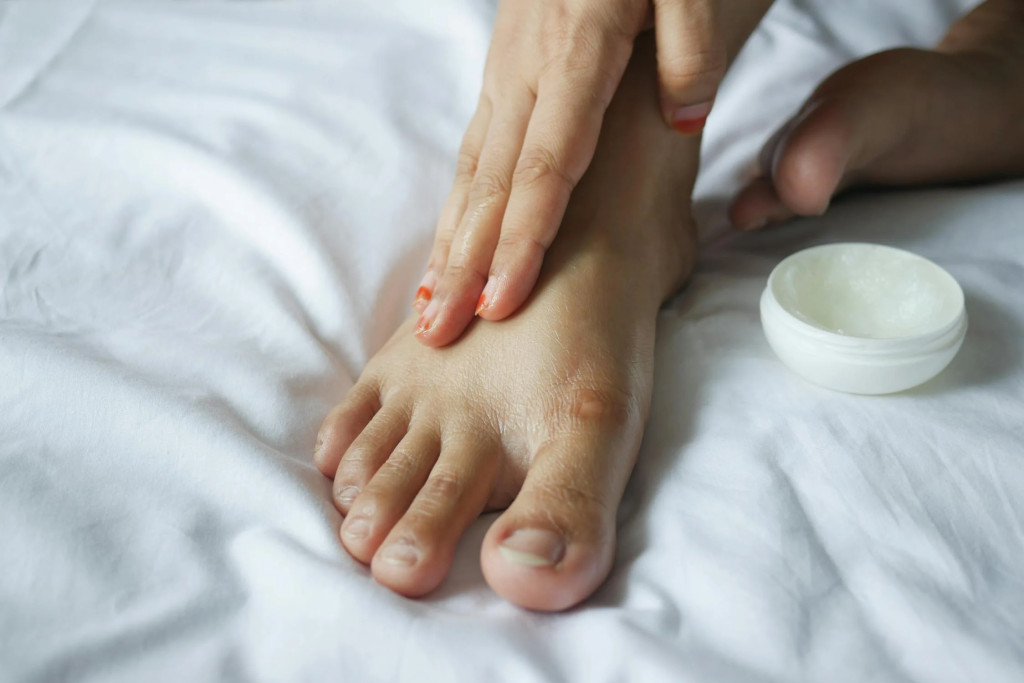
Key Takeaways
- Glycolic foot peels can be applied every 4 to 6 weeks.
- Reading product labels is essential for safe use.
- A patch test is advisable for first-time users.
Understanding Glycolic Foot Peel Masks
Glycolic foot peel masks are popular for their ability to improve foot skin texture. They contain glycolic acid, which is part of the alpha hydroxy acid family. This section covers the benefits of glycolic acid and how it works on the skin.
Benefits of Glycolic Acid
Glycolic acid offers several advantages for foot care. It helps remove dead skin cells from the surface, promoting smoother skin. This makes it an effective treatment for rough or calloused feet.
Using glycolic acid can also enhance skin hydration. It encourages the skin to retain moisture, which is especially important for dry feet. Regular use can lead to a more refreshed appearance.
Additionally, glycolic acid can stimulate collagen production. This helps maintain skin elasticity, making feet look healthier over time. With these benefits, glycolic acid is a key ingredient in foot peel masks.
How Glycolic Acid Works
Glycolic acid works through a process called exfoliation. When applied, it penetrates the top layers of the skin. This helps to dissolve the bonds between dead skin cells, allowing them to shed more easily.
As the dead skin comes off, new skin gradually reveals itself. This process can reduce the appearance of rough patches and dryness. It often leads to a more even skin tone on the feet.
Glycolic acid’s small molecular size allows for deeper penetration. This makes it effective in targeting concerns like calluses and roughness. Regular use, as directed, can show noticeable improvements in the skin’s texture and feel.
Usage Guidelines
Using a glycolic foot peel mask can be beneficial, but following the right guidelines is essential. Understanding the frequency, safety, and aftercare can lead to better results and healthier skin.
Recommended Frequency
Most experts suggest using a glycolic foot peel mask once every 2 to 4 weeks. This timeframe allows the skin to recover and regenerate between treatments. Using it too often may lead to irritation or sensitive skin.
For first-time users, starting with a mask every four weeks is wise. After observing how the skin reacts, one may gradually increase usage to every two weeks. Always monitor the skin for any adverse reactions, such as redness or peeling.
Safety Precautions
Before applying a glycolic foot peel, it’s crucial to check for allergies to glycolic acid. Conducting a patch test on a small area helps determine skin sensitivity. If irritation occurs, discontinue use immediately.
Additionally, users should avoid applying the mask on broken or irritated skin. Pregnant or nursing individuals should consult a doctor before using any chemical peel products. Always read the instructions on the product label thoroughly to ensure safe use.
Post-Peel Care
After using a glycolic foot peel, taking care of the skin is important. Washing the feet gently with lukewarm water removes any residual product. Pat the skin dry instead of rubbing to prevent irritation.
Moisturizing with a good foot cream helps hydrate and protect the skin. Look for creams containing ingredients like shea butter or jojoba oil for deep moisture.
It is also advisable to avoid sun exposure immediately after treatment. If going outside, using a broad-spectrum sunscreen can help protect the skin and prevent any adverse effects from the sun.
Frequently Asked Questions
This section addresses common questions regarding the use of glycolic foot peel masks. It covers recommended usage, side effects, post-application care, and more.
What is the recommended frequency of using a peeling foot mask?
The recommended frequency for using a glycolic foot peel mask is typically every 4 to 6 weeks. This allows the skin to fully recover and regenerate between treatments.
Are there any side effects associated with foot peel masks?
Some users may experience mild side effects, including redness, peeling, or irritation. These effects are usually temporary and can vary based on skin sensitivity.
What steps should be taken after applying a foot peel mask for optimal results?
After using a foot peel mask, it is important to rinse the feet thoroughly. Applying a moisturizer can help keep the skin hydrated and support the peeling process.
How can you accelerate the peeling process after using a foot mask?
To encourage quicker peeling, keeping the feet warm and moist can help. Gentle exfoliation can also assist, but it should be done carefully to avoid irritation.
Why does it take up to a week for the peeling effect to begin after a foot peel?
The peeling process may take time due to the skin’s natural cycle of cell turnover. It can take several days for the dead skin to begin shedding after the treatment.
What should you do if you experience adverse reactions after using a foot peel mask?
If adverse reactions occur, such as severe redness or pain, it is best to stop using the product immediately. Consulting a healthcare professional is recommended for further advice.