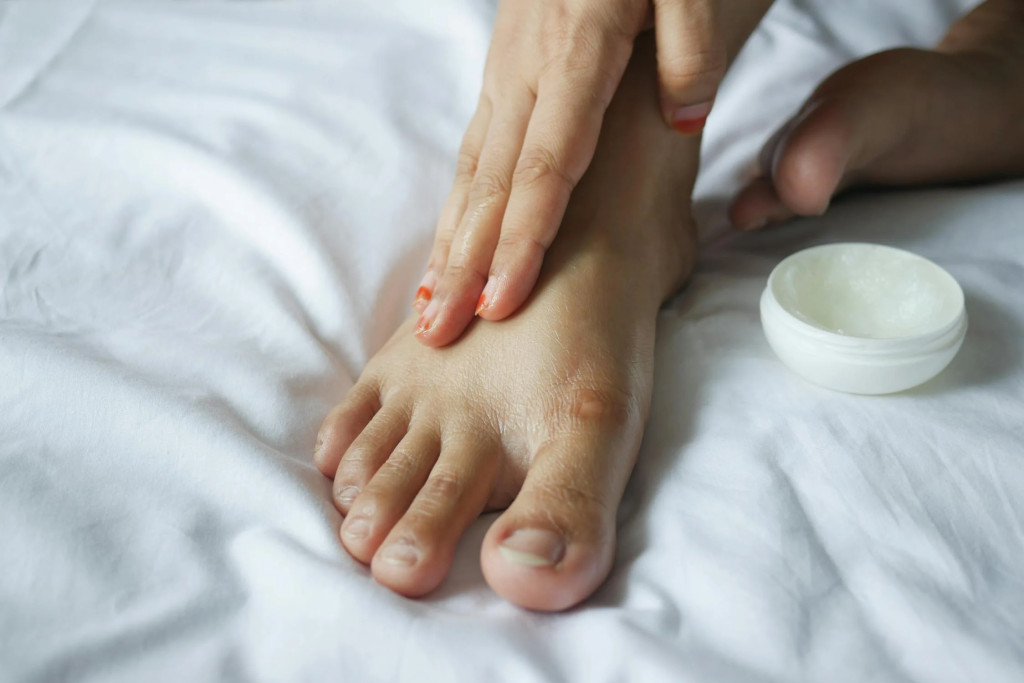
DIY foot masks are simple and effective ways to pamper tired feet. They can hydrate, soften, and rejuvenate the skin, making them a great addition to anyone’s self-care routine. With just a few common ingredients found at home, anyone can create a soothing treatment that leaves feet feeling fresh and smooth.
Making a DIY foot mask is not just about relaxation; it also offers several benefits for foot health. The right mix of ingredients can address common issues such as dryness or rough patches. This article will provide easy recipes and tips to ensure the best results for those looking to treat their feet.
Ready to transform your foot care routine? From selecting the best ingredients to applying the mask effectively, there is a lot to explore. With a little effort, anyone can enjoy the rewards of soft and beautiful feet.
Key Takeaways
- DIY foot masks can improve foot health at home.
- Common ingredients provide specific skincare benefits.
- Easy recipes make foot care accessible for everyone.
Benefits of DIY Foot Masks
DIY foot masks offer various benefits that can improve foot health. These masks can help with moisturization, exfoliation, and relaxation. Each benefit plays a key role in keeping feet soft and healthy.
Moisturization and Hydration
Moisturization is one of the main benefits of DIY foot masks. Many masks use ingredients like honey, olive oil, or coconut oil, which are known for their hydrating properties. When applied to the feet, these ingredients help to lock in moisture and prevent dryness.
Hydrated feet can appear healthier and feel softer. A good DIY mask can treat cracked heels and rough patches. Regular use of moisturizing masks helps maintain soft and supple skin, reducing the need for heavy foot creams.
Exfoliation and Softening
Exfoliation is another important advantage of using DIY foot masks. Ingredients like sugar, salt, or oatmeal can gently scrub away dead skin cells. This process not only reveals fresh skin but also prevents calluses from forming.
Softening the feet is crucial, especially for those who spend long hours standing. Exfoliating masks can help make feet feel smooth and comfortable. By incorporating these masks into a routine, individuals can achieve noticeably softer feet over time.
Relaxation and Stress Relief
DIY foot masks also provide relaxation and stress relief. Many people enjoy taking time for themselves, and applying a foot mask can be a calming experience. Adding scents like lavender or peppermint can enhance this relaxation.
The act of pampering one’s feet can help reduce fatigue and promote a sense of well-being. Soaking feet in warm water before applying a mask further aids in relaxation. Ultimately, a foot mask can transform foot care into a soothing ritual that benefits both body and mind.
Common Ingredients and Their Properties
DIY foot masks often use a variety of ingredients. Each ingredient offers different skin benefits. The following sections detail common ingredients in foot masks and their specific properties.
Natural Oils and Butters
Natural oils and butters are key in DIY foot masks. They help to moisturize and nourish the skin.
- Coconut Oil is known for its deep hydration. It contains fatty acids that penetrate the skin easily, keeping it soft.
- Olive Oil is rich in antioxidants and vitamins. It helps to repair damaged skin and reduce dryness.
- Shea Butter provides intense moisture. It also has anti-inflammatory properties, which soothe irritated skin.
These ingredients work together to create a rich base for foot masks. They also help lock in moisture, making feet feel smooth and healthy.
Essential Oils and Fragrances
Essential oils add aroma and skin benefits to foot masks. They can enhance the overall experience.
- Tea Tree Oil is known for its antifungal properties. It can help keep feet fresh and free from infections.
- Peppermint Oil gives a cooling effect. It can relieve tired feet and provide a refreshing scent.
- Lavender Oil has calming properties. It can promote relaxation and a sense of well-being.
When used in foot masks, these oils provide sensory pleasure and therapeutic benefits. They create a soothing and fragrant environment during the application.
Exfoliants and Clays
Exfoliants and clays help remove dead skin. They make feet look fresh and feel soft.
- Sugar is a gentle exfoliant. It sloughs off dead skin cells while keeping the skin moisturized.
- Baking Soda can help soften rough patches. It also has antibacterial properties.
- Kaolin Clay absorbs dirt and excess oil. It enhances the cleansing properties of foot masks.
These ingredients help achieve smooth and healthy feet. They prepare the skin for hydration, enhancing the overall mask experience.
Step-by-Step Guide to Creating Your Foot Mask
Making a DIY foot mask is simple and rewarding. The right ingredients and techniques can help achieve soft, smooth feet.
Preparation of Ingredients
Start by gathering the materials needed for the foot mask. Common ingredients include:
- Honey: Moisturizes and softens skin.
- Olive Oil: Nourishes and hydrates.
- Brown Sugar: Acts as an exfoliant.
- Avocado: Rich in vitamins and good for the skin.
Mix the ingredients in a bowl. A common recipe uses 1 cup of brown sugar, ½ cup of honey, and ¼ cup of olive oil. If using avocado, mash 1 fruit until smooth and add it to the mix. Ensure a creamy texture without lumps for easy application.
Application Techniques
To apply the mask, wash and dry the feet first. This step prepares the skin for better absorption.
Use clean hands or a brush to spread the mask evenly over the feet. Focus on rough areas, such as the heels and balls of the feet. Cover all toes as well. After applying, consider wrapping the feet in plastic wrap. This helps keep the mask in place and prevents mess.
For an added benefit, wear socks over the wrap. This can help lock in moisture and enhance the treatment.
Duration and Frequency of Use
Allow the foot mask to sit for about 20-30 minutes. This time lets the ingredients work effectively.
Rinse with warm water and pat the feet dry after the duration.
For best results, use a foot mask once a week. This regular use will maintain soft and healthy feet. Adjust the frequency based on personal needs and skin condition.
Aftercare and Maintenance
After enjoying a DIY foot mask, proper aftercare is essential for maximizing benefits. Keeping feet healthy requires attention both right after the mask and over time.
Post-Mask Foot Care
After removing the mask, it is important to rinse feet with warm water. This helps to wash away any remaining mask residue.
Next, gently pat feet dry with a clean towel. Avoid rubbing, as this can irritate the skin. Applying a good quality moisturizer is crucial at this point. Creams with ingredients like shea butter or coconut oil nourish the skin.
For best results, consider putting on socks after moisturizing. This helps to lock in moisture overnight. Repeating this care for a few days after using the mask can enhance its effects.
Long-Term Foot Health Tips
Maintaining foot health goes beyond just masks. Regular exfoliation can keep feet soft and reduce rough spots. This can be done every two weeks with a foot scrub or pumice stone.
Wearing comfortable shoes is key. Shoes that fit well support foot health. Avoid high heels or tight footwear that can cause issues.
Hydration is also important. Drinking enough water helps maintain skin health. A balanced diet rich in vitamins supports overall well-being, including healthy feet.
Lastly, routine foot inspections can identify issues early. Look for dry patches or changes in skin color. Early detection of problems can lead to better treatments.
Frequently Asked Questions
This section covers common questions about creating and using foot masks. It includes instructions for various types of foot care treatments that can be made at home.
How do I create a homemade foot mask for dry and cracked feet?
To make a foot mask for dry and cracked feet, one can mix 1 cup of coconut oil with 1 cup of honey. Apply the mixture to clean feet and cover with socks. Leave it on for at least 30 minutes or overnight for best results.
What ingredients are used in a DIY foot peel mask?
A DIY foot peel mask typically includes ingredients like lactic acid, citric acid, and natural exfoliants such as sugar or coffee grounds. These ingredients help to remove dead skin and reveal softer feet underneath.
What are the steps to make a foot mask for soft feet at home?
To create a foot mask for soft feet, blend 1 ripe banana with 2 tablespoons of olive oil. Apply the mixture to the feet and leave it on for about 15-20 minutes. Rinse off with warm water and pat dry.
Which natural remedies can be applied overnight for foot care?
Natural remedies like shea butter and aloe vera gel can be applied overnight for foot care. Applying these products before bed and wearing socks will help keep feet moisturized and nourished overnight.
How can I prepare a foot mask to tackle calluses?
A simple foot mask for calluses can be made using 1 cup of Epsom salt mixed with warm water. Soak the feet for 15-20 minutes before scrubbing with a pumice stone. This helps to soften and remove tough skin.
What is the best recipe for a homemade foot scrub?
A great homemade foot scrub recipe includes 1 cup of sugar, 1/2 cup of olive oil, and a few drops of essential oil for fragrance. Mix the ingredients well and gently massage onto damp feet. Rinse to leave feet feeling soft and refreshed.