🎓 Back to School 2026
New Chapter — Free Engraving · Order by Aug 20 for Move-In
Code BACK10 Copied!
Ends in
24 Hrs
:
00 Min
:
00 Sec
Shop the Collection →
🚚 Free Worldwide Shipping
📦 Discreet Packaging on All Orders
🌿 Eco-Friendly · Hypoallergenic · Tarnish-Free
🎁 Gift-Ready Packaging Included
5-Year Quality Guarantee
🚚 Free Worldwide Shipping
📦 Discreet Packaging on All Orders
🌿 Eco-Friendly · Hypoallergenic · Tarnish-Free
🎁 Gift-Ready Packaging Included
5-Year Quality Guarantee

What Is Foot Worship? Meaning, Practice & Aesthetics Explained

Foot Worship — What It Is,
Why Feet Command Attention,
and How to Make Yours Unforgettable

Foot Style Foot Aesthetics 15 min read · 2026

Foot worship — known formally as podolatry — is the practice of deeply appreciating and adoring feet, treating them as an object of beauty, reverence, and sensory fascination. It’s one of the most common non-genital fetishes in the world, with roots that stretch back thousands of years across multiple cultures. Whether you’ve encountered the term in the context of foot content creation, personal relationships, or simply through curiosity, understanding why feet command this level of attention is both genuinely interesting and practically useful.

For those who photograph their feet, style them, or simply want to understand what makes a pair of feet turn heads — knowing what foot admirers actually respond to gives you a meaningful advantage. This isn’t about performance. It’s about understanding aesthetics at a level that most people never think to explore.

The Phenomenon

What Foot Worship Actually Is —
Beyond the Clichés

Foot worship describes a strong appreciation for feet — their appearance, texture, scent, and the symbolic power they can carry. In practice, it ranges from aesthetic admiration (looking at, photographing, and collecting images of feet) to more tactile forms of appreciation involving touch, massage, and physical attention. It exists on a wide spectrum and doesn’t fit neatly into a single category.

The psychological basis is well-documented. Research suggests that the area of the brain responsible for processing foot sensation is adjacent to the area that processes genital sensation — a neurological proximity that may explain why the two become intertwined for many people. Beyond neuroscience, feet also carry significant cultural symbolism: they represent humility, groundedness, and proximity to another person at their most unguarded.

“Feet are one of the few parts of the body that are simultaneously intimate and overlooked. That combination — accessible but underestimated — is precisely what makes them compelling to those who pay attention.”

Beginner’s Guide
What Is
Foot Worship?

A thoughtful introduction to the practice, its principles, and what it means for both partners.

💬
Communication Clear consent and open dialogue come first, always.
🌿
Hygiene Clean, cared-for feet are the foundation of the practice.
💛
Care & Respect Attentiveness and mutual regard define every interaction.
🔗
Connection An expression of trust, intimacy, and devotion.
Cultural Roots

A Surprisingly Ancient
Appreciation

The reverence for feet is not a modern invention. Across ancient Egypt, India, China, and Rome, feet carried spiritual and social significance. In many Eastern traditions, touching or washing the feet of a revered figure was an act of deep respect — the feet were considered the most humble and therefore the most sincere point of contact. In Indian classical dance, the decorated foot is a central aesthetic element, with elaborate henna patterns, toe rings, and ankle bells designed to draw attention to each movement.

In the late nineteenth and early twentieth centuries, researchers began examining why some people were drawn to feet. The conclusions centred on a mix of psychological, emotional, and sensory explanations — no single theory accounts for every individual. In the Victorian era, even a glimpse of an ankle was considered provocative; what is hidden becomes fascinating. Today, foot worship is understood in a much broader context. Among younger generations especially, conversations about foot appreciation have become more open, helping people distinguish myth from reality.

The Psychology

Why People Are Drawn
to Foot Worship

There is no single answer. Just as people express closeness differently — through words, touch, acts of care — some have personal preferences that centre around the feet. Researchers believe foot appreciation usually develops from a combination of personal experiences, emotional associations, and aesthetic attraction. The most common motivations fall into four areas.

🤝 Emotional Connection For many couples, foot appreciation is not primarily about physical attraction — it is a way to show affection, care, or trust. Taking time to attend to someone else’s feet communicates genuine attention. Receiving that care can feel deeply affirming. In these cases, the act becomes an expression of love, comparable to a massage or a kind gesture.
🙏 Symbol of Respect Feet have carried symbolic meaning across cultures for thousands of years. Touching or bowing to another’s feet has historically signified gratitude and devotion. For some people today, foot worship reflects a similar idea — an act of admiration that carries meaning beyond its physical form. The meaning behind the action is often more important than the action itself.
💛 Trust Between Partners Because foot appreciation involves personal boundaries, both people need to feel comfortable and respected. For couples who include it as part of their relationship, the emotional connection often matters more than the act itself. Like any intimate activity, both partners should be able to say yes or no without pressure — and respecting that is what makes the experience meaningful.
👁 Personal Attraction Some people simply find feet aesthetically appealing. Just as one person may notice a smile first, another notices feet. Some admire well-groomed or elegant feet. Others see feet as another attractive part of the body. Personal attraction is shaped by individual experience — it is rarely explained by a single factor and varies significantly from person to person.
Who Practices It

Who Are Foot Worshippers —
A More Honest Picture

There is no single type of person who practices foot worship. Research and surveys suggest that people with this interest come from a wide range of backgrounds. It is usually a private part of their personal life rather than something they discuss openly.

Couples in Everyday Relationships

Many people who practice foot worship are in healthy long-term relationships where it is simply one of many ways to express affection. It doesn’t define the relationship — it becomes one small way to show care. Just as some couples enjoy particular rituals of closeness, others include foot appreciation as part of their connection. What matters most is that both partners feel comfortable.

People with a Foot Fetish

Some people who have a foot fetish also enjoy foot worship, but the two terms are not identical. A foot fetish refers to a consistent sexual attraction to feet. Foot worship is a behaviour — a set of actions or expressions — that people may participate in for different reasons: attraction, emotional closeness, symbolic meaning, or relationship dynamics. Not everyone who practices foot worship has a foot fetish, and not everyone with a foot fetish practices worship in any structured way.

The Simply Curious

Not everyone who explores foot worship develops a lasting interest. Many people encounter it through social media, conversations, or content and simply want to understand it better. Curiosity is completely normal. Some may read more and move on. Being curious doesn’t mean someone develops a long-term preference — for many, it remains a topic they wanted to understand rather than a practice they pursue.

The Aesthetics

What Foot Admirers
Actually Respond To

Understanding what draws attention to feet is the most practical part of this subject — whether you’re creating foot content, styling your feet for photographs, or simply taking better care of a part of your body that deserves more attention. The elements that consistently attract admiration fall into four categories.
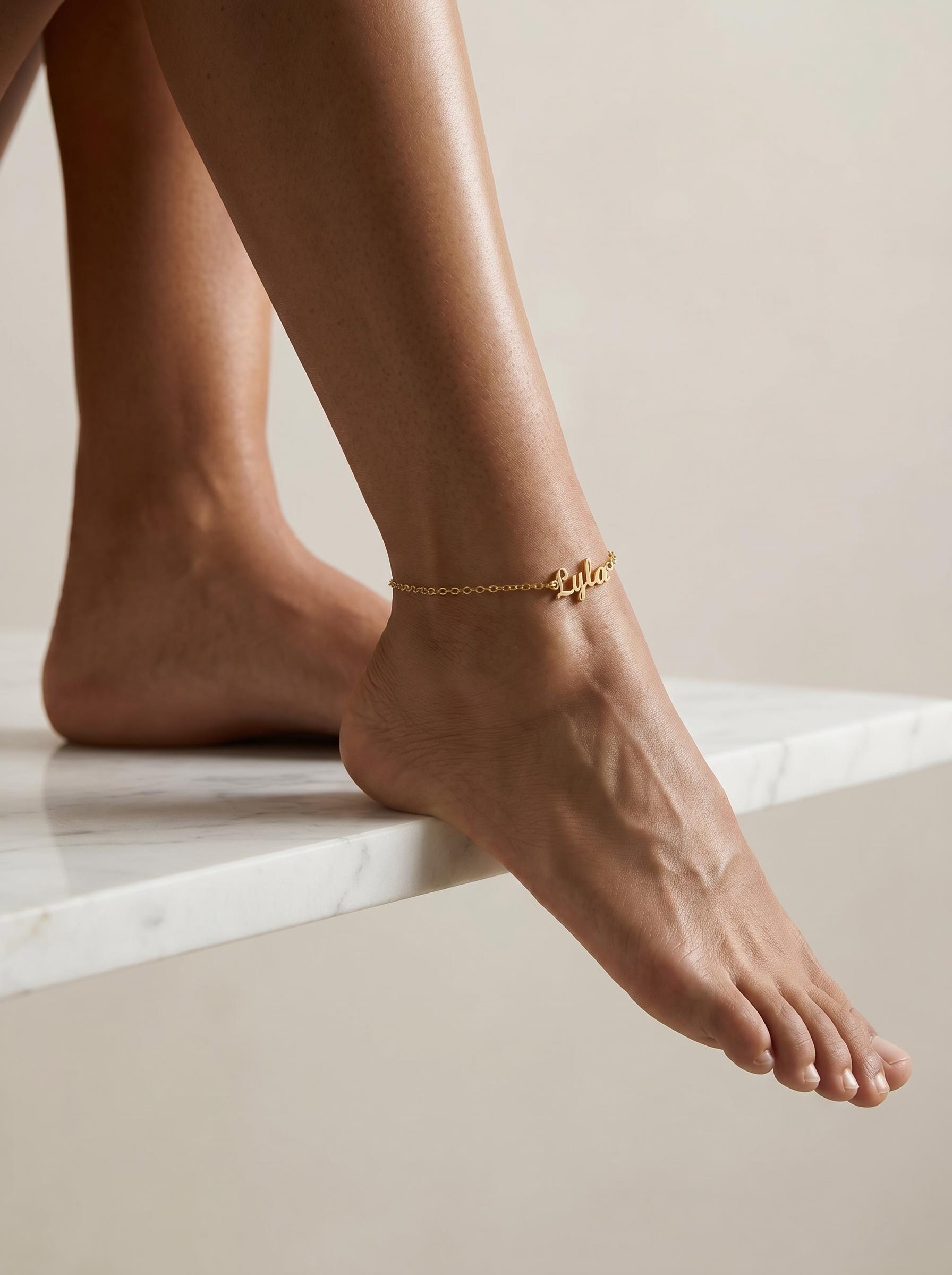
Skin Quality Soft, smooth, moisturised skin is the single most consistent factor in foot attractiveness. Dry, cracked, or rough skin is the most common barrier. The good news: skin quality is entirely improvable with a consistent routine.
💅 Nail Presentation Clean, shaped, polished nails signal care and attention. Nail color is highly subjective — some admirers prefer neutrals, others respond strongly to bold reds, dark plums, or even bare nails. Having variety is an asset.
📐 Arch and Structure The arch of the foot — its curve from heel to toe — is one of the most appreciated structural features. A visible, defined arch is considered elegant. Photography angles that highlight the arch (side view, pointed toes) consistently perform well.
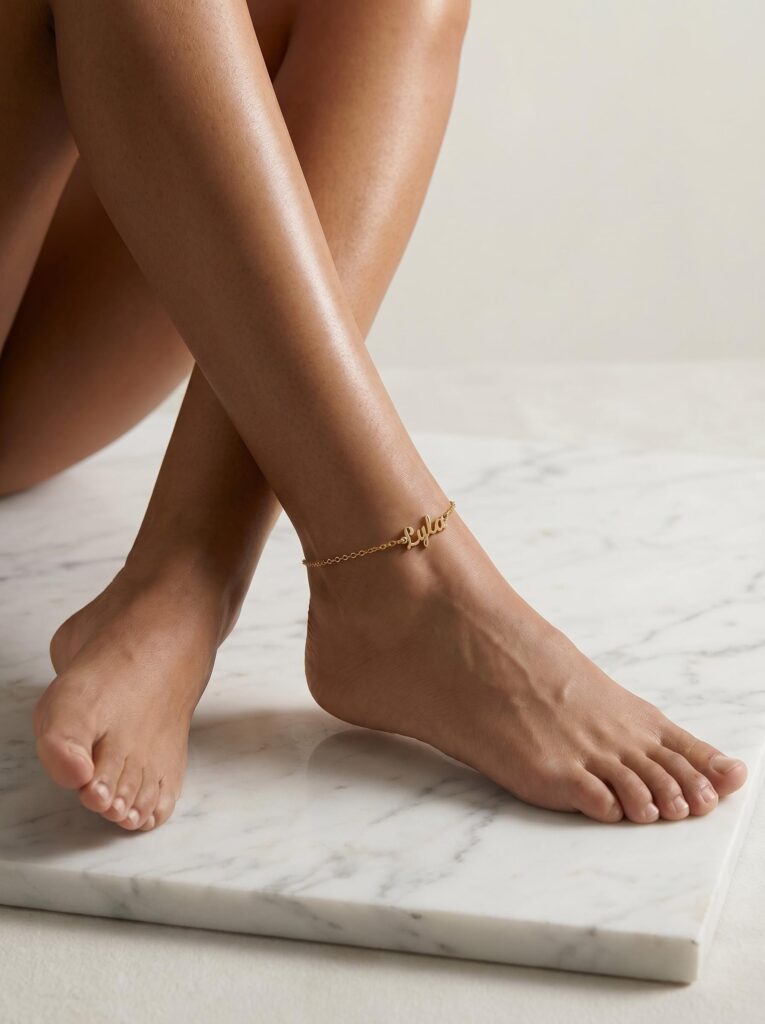
Decoration and Styling Anklets, toe rings, and foot jewelry add visual complexity and signal intentionality. A bare foot is pleasant. A foot with a gold name anklet resting above it tells a story. Decoration transforms a foot from a body part into a composition.
Making Yours Unforgettable

Four Ways to Enhance
the Appeal of Your Feet

Whether you’re creating content, taking photos, or simply taking better care of a part of your body you’ve been neglecting — these four areas make the most difference to how feet are perceived.

1
Build a Consistent Skincare Routine The difference between rough and soft skin is almost entirely a maintenance question. Exfoliate once or twice a week, moisturise every evening, and wear socks overnight with a thick cream for the fastest improvement in texture. See our full Sole Care guide for a complete pre-shoot routine that works in 7 days.
2
Invest in a Pedicure — Or Learn to Do One Well Clean cuticles, shaped nails, and an even color application are the difference between feet that look tended and feet that look afterthought. You don’t need to visit a salon weekly — learning a solid at-home technique pays off quickly. Our Pedi Goals section covers nail colors, longevity tips, and art ideas in detail.
3
Style with Intention — Especially at the Ankle The ankle is the transitional zone between leg and foot — and it’s where a single piece of jewelry can transform the entire composition. A name anklet or bar anklet at the ankle frames the foot the way a necklace frames a neckline. It draws the eye, adds structure to the image, and signals that whoever is wearing it made a deliberate choice. In foot content specifically, photos with ankle jewelry consistently command higher engagement and better custom-request pricing than bare-ankle shots.
4
Understand Angles and Learn to Pose The same feet look dramatically different from different angles. A pointed toe extends the line and highlights the arch. A top-down shot emphasizes nail color and symmetry. A side-angle shot shows the curve of the sole. Spend time experimenting — an understanding of your best angles is as useful as any product you can buy.
Forms of Expression

How Foot Worship
Actually Looks in Practice

Foot worship takes many different forms, and no two people practice it the same way. A couple might only ever include a foot massage. Others build something more layered. What matters is that both people understand what they’re agreeing to and feel genuinely comfortable with it. Each form can stand alone or be combined — the meaning behind the action is always more important than the action itself.

The Practice
How Is Foot
Worship Practiced?

A graceful exploration of reverence, connection, and affection.

1
Massage Gentle, attentive touch that relaxes and shows devotion.
2
Kissing & Affection Expressions of tenderness offered with care and consent.
3
Pampering & Care Washing, moisturising, and nail care as acts of service.
4
Admiration Simple appreciation of the feet, without any pressure.
1
Foot Massage The most common and least complicated form. Applying hand pressure to the arches, heels, soles, and toes. Feet have a high concentration of nerve endings, which is why a foot massage can feel more intense than expected. For many couples, this is about relaxation and care as much as attraction. A well-maintained, moisturised foot makes the experience significantly better for both people — another reason foot care matters.
2
Visual Appreciation For many foot admirers, the interest is primarily visual — and this is where presentation has direct, measurable impact. Skin quality, nail color, the line of the arch, and deliberate styling all factor into what makes a foot compelling to look at. A name anklet at the ankle adds composition and intentionality — it frames the foot as something worth looking at carefully, not just noticing in passing.
3
Symbolic Gestures Some forms of foot appreciation carry more symbolic than physical weight. A deliberate gesture of attention to someone’s feet communicates something specific — devotion, admiration, care. Lip gestures applied to the feet carry particular symbolic significance because they’re typically reserved for more intimate areas of the body. Applying them to the feet signals a deliberate act of attention to something usually overlooked.
4
Content-Based Appreciation An increasingly significant modern form in which appreciation occurs through photos, videos, or live content rather than in-person contact. This separates the visual component from the physical element entirely. It appeals especially to people whose interest is primarily aesthetic — and for creators, it’s why understanding what admirers respond to directly affects your content’s commercial performance. Styling, lighting, jewelry, and nail color all translate directly into buyer engagement.
✦ The Detail That Changes Everything
Custom Name Anklet —
Your Name, at the Most Noticed Point

18K gold or silver plated, free engraving of any name or word, adjustable 8″–10″, waterproof and tarnish-free. The piece that turns a foot photograph into a composition. Ships gift-ready in 3–5 days.

Relationships and Consent

Before You Try It —
What Actually Matters

If two people are interested in incorporating foot appreciation into their relationship, there are several things worth thinking through first. The experience goes better when both people are prepared — emotionally and practically — rather than navigating it without any prior conversation.

Talk First

Before anything happens, have an honest conversation about what you’re each hoping for. This works best when done calmly, with space for both people to speak openly. What “foot worship” means can vary significantly from person to person — one person might mean a foot massage, another might mean something more involved. Establish clearly what you’re both agreeing to. Discomfort almost always arises when one partner assumes something the other never agreed to.

Respect Boundaries — Every Time

Comfort levels change. What felt fine last week might not feel right today, and that’s completely normal. Never pressure someone to participate — through guilt, repeated requests, or assumptions based on a previous yes. Consent given reluctantly is not the same as consent given freely. If a boundary is set, it should be respected without negotiation. The person who set it should never feel they need to defend it.

Practice Good Hygiene

Because many forms of foot worship involve direct contact, hygiene isn’t optional — it’s practical. Clean, well-maintained feet make the experience more comfortable for both people. This is also where foot care pays off in ways that go beyond aesthetics: soft, moisturised skin and clean nails signal that you take care of yourself, which is attractive in a way that goes far beyond any particular practice. See the Sole Care section for practical guidance.

Understand That Preferences Don’t Need to Align Completely

Not everyone enjoys foot worship, and that’s completely fine. If one partner is curious and the other isn’t interested, that doesn’t mean anything is wrong. It simply means their preferences don’t align on this particular point. The goal isn’t to convince a partner to come around — it’s to find out honestly where each person stands, and respect that answer.

✦  The One Rule That Covers Everything

Throughout the experience — not just at the start — both partners should feel relaxed and respected. Checking in (“Does this still feel good to you?”) keeps things collaborative rather than assumed. If either person feels uncomfortable at any point, it is completely acceptable to stop. There is no obligation to finish something once it’s started. A partner who respects a pause without complaint is demonstrating exactly the kind of trust that makes any form of intimacy worthwhile.

For Content Creators

What This Means
If You’re Selling Foot Content

Understanding the psychology of foot appreciation directly improves the quality and commercial performance of foot content. Buyers who are drawn to feet for aesthetic reasons are responding to specific visual signals — and once you understand those signals, you can build them into every photo you take.

The highest-performing foot content in 2026 tends to share several characteristics:

It looks intentional, not accidental Good lighting, a considered background, and deliberate styling — including jewelry — signal that the creator takes their presentation seriously. Buyers pay more for content that feels crafted.
It includes sensory context The best foot photos suggest sensation — the texture of skin, the weight of a chain at the ankle, the arch of a pointed toe. These aren’t just images; they’re invitations to imagine.
It has a point of difference A distinctive anklet, an unusual nail color, a setting that’s genuinely interesting — something that makes the image memorable rather than interchangeable with thousands of others in the same marketplace. A name anklet engraved with a specific word or name does exactly this: it makes the photo about someone specific, not anyone.
Common Questions

Frequently Asked
Questions

Foot fetishism is consistently reported as one of the most common non-genital fetishes — various studies estimate somewhere between 10% and 18% of people have some degree of foot-related attraction. It’s far more common than most people realize, which is part of why it’s become such a significant driver of the foot content market.
It can be, but it doesn’t have to be. Foot worship exists on a wide spectrum. For some people, it’s purely aesthetic — a visual or tactile appreciation with no power dynamic involved. For others, it does overlap with dominance and submission dynamics. These are separate things, and most people who appreciate feet aesthetically aren’t interested in anything more structured than looking at, or perhaps touching, beautiful feet.
Preferences vary enormously — which is actually good news if you’re concerned your feet don’t fit a specific mold. Some admirers prefer petite feet, some prefer larger sizes. Some are drawn to high arches, others to flatter structures. Nail color preferences, skin tone preferences, and stylistic preferences all vary widely across the buyer community. The consistent factor is presentation — soft skin, clean nails, and thoughtful styling perform well regardless of foot shape or size.
Yes, consistently. Ankle jewelry adds visual interest, frames the foot within the image, and signals intentionality. In foot content specifically, photos that include an anklet typically generate higher engagement and command better pricing for custom requests compared to unadorned shots. A name anklet adds a further layer — it makes the content specific, personal, and harder to replicate.
Directly and simply, in a low-pressure moment. Something like “I find your feet really attractive — is that something you’d be comfortable with me expressing?” is usually enough. Most people are more open to this than expected. The anticipation of the conversation is almost always worse than the conversation itself. If your partner isn’t comfortable, that’s also useful information — better to know early than to have it become a source of ongoing awkwardness.
Foot Worship Foot Style Foot Aesthetics Podolatry Foot Fetish Ankle Jewelry

Leave a Comment

Your email address will not be published. Required fields are marked *

Shopping Cart
Scroll to Top