
How to Sell Feet Pics
and Actually Make Money
Selling feet pics is a real income stream. Not a scam, not a joke, not something that only works for people with 100,000 followers. Thousands of people earn consistent money from foot content every month — some as a side income, some as their primary one. The market exists, the buyers are there, and the platforms have made it more straightforward than it’s ever been to get paid.
What most guides don’t tell you is why most sellers fail to make real money. It’s not because they have the wrong feet. It’s because they start on the wrong platform, price themselves incorrectly, skip the setup that makes buyers trust them, and expect passive income from what is actually an active business. This guide covers all of it — in order, without the fluff.
Before You Start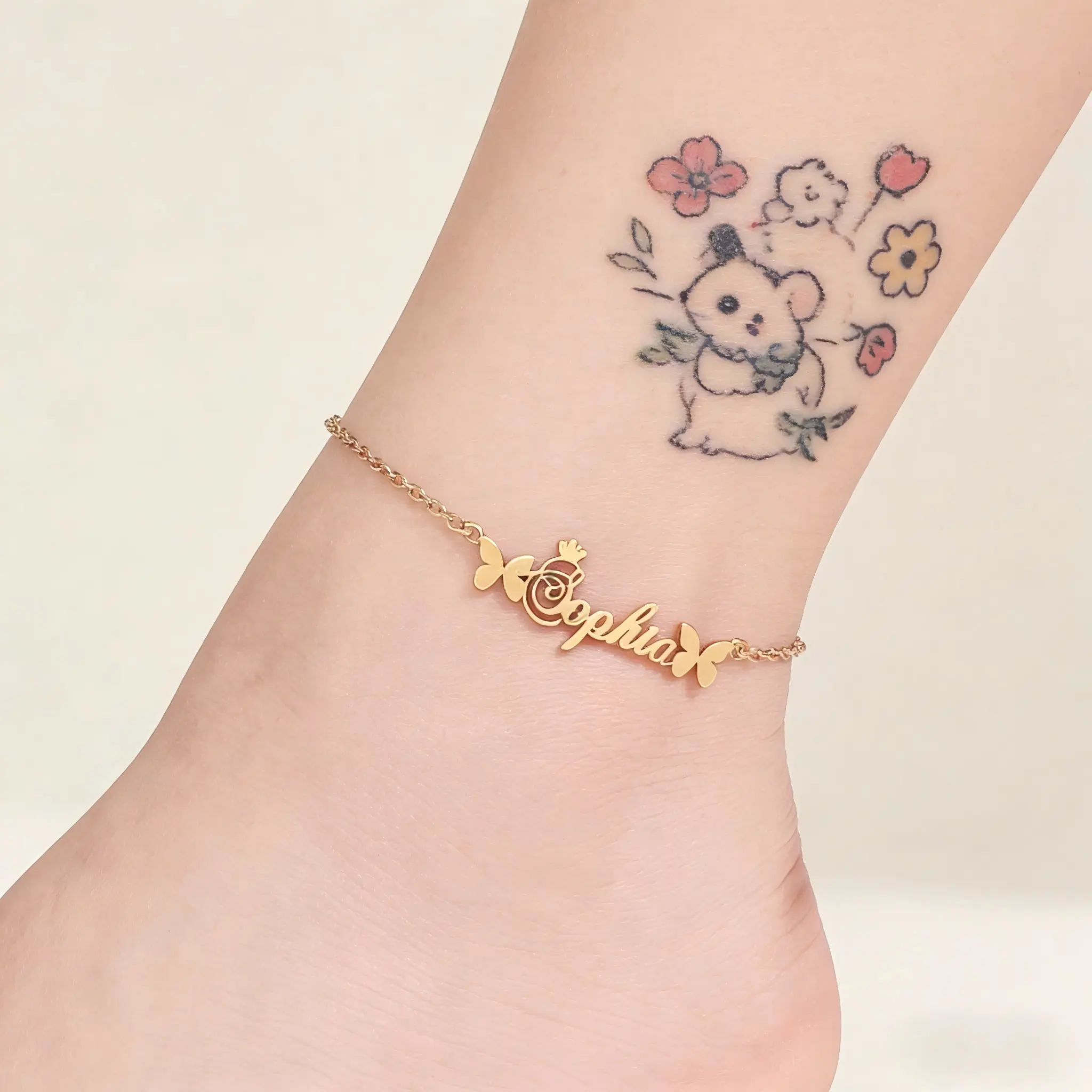
Is Selling Feet Pics Legal?
The Short Answer Is Yes.
Selling photos of your feet is completely legal in most countries for anyone 18 or older. Feet content doesn’t fall under adult content regulations the way other categories do, which is part of why it’s become one of the more accessible ways to earn online. You’re selling a photograph — the same way a photographer sells stock images.
A few things to know before you start: you must be 18 or older. All legitimate platforms require identity verification for sellers, and any platform that doesn’t ask for verification is one you should be cautious about. You’re also responsible for declaring this income on your taxes — it’s earned income like any other freelance work.
You don’t need to use your real name or show your face. Most successful sellers operate under a pseudonym and keep all personally identifying information separate from their seller accounts. Choose a seller name before you start and keep it consistent across every platform you use.
Who Actually Buys Feet Pics
and What They’re Looking For
Buyers are predominantly men, most commonly between 25 and 45, and they buy for a range of reasons. Some are collectors. Some have specific preferences around foot aesthetics — nail color, skin tone, jewelry, pose, setting. Some buy custom content for very specific requests. Understanding this isn’t just interesting background — it directly affects how you photograph, price, and market your content.
What matters to buyers, roughly in order: presentation and quality of the image, foot aesthetics (soft skin, clean nails, no visible damage), variety across your gallery, and responsiveness if they’re sending a custom request. Price is a factor but rarely the primary one for buyers who are serious about what they purchase.
“Most sellers underestimate how much presentation matters. A well-lit photo of average feet outperforms a dark, blurry photo of ‘perfect’ feet every time. Buyers pay for the image, not just what’s in it.”
Your Average Sale Price
Jewelry in foot photos consistently outperforms bare-foot shots in buyer engagement. A gold name anklet or a bar anklet adds visual interest, signals that you invest in your presentation, and gives buyers a reason to return for styled content.
The Platforms — Compared
by Fees, Safety, and Discovery
Platform choice is one of the most important decisions you’ll make. The wrong platform means paying fees for zero visibility. The right one means your content actually reaches buyers who are ready to purchase. Here are the main options in 2026, ranked by how practical they are for someone starting out.
5 Things to Check
Before Choosing a Platform
Score every platform on these five criteria before you pay a single dollar or upload a single photo.The best-known feet-specific platform. Large user base, built-in buyer audience, identity verification required. Content is blurred until a buyer pays — which protects your work. The downside: you pay a monthly seller fee even in slow months, plus a commission on every sale.
A newer platform with a TikTok-style feed that actively surfaces content to buyers — meaning you don’t rely entirely on buyers searching for you. Tiered plans mean you only pay for the level that matches your scale. Creators on the top tier keep 95% of earnings.
The most widely recognized creator platform. No monthly fee — OnlyFans takes 20% of every sale instead. The problem for feet-only sellers: there’s no feet-specific discovery, so you need to bring your own audience from social media. Strong if you already have followers to send there.
Similar structure to OnlyFans with more flexible tier and lock options. Some tag-based discovery that can help foot content get seen. Better for sellers who want granular control over what content is accessible at what price point.
Social platforms are excellent for building an audience and directing people to your paid platform. Reddit has dedicated foot content subreddits with active buyer communities. Instagram and X work for building a following. Important: don’t take payments directly through social DMs — no buyer protection, no payout records, high scam risk.
The Real Cost of “Free”
Pick one dedicated marketplace (FeetFinder or Footly) as your primary selling platform. Use Reddit and Instagram to drive attention toward it. Once you have a consistent buyer base, add a subscription platform (OnlyFans or Fansly) for recurring income. Don’t try to be everywhere at once — one platform done well beats four platforms done poorly.
How to Set Up Your Account
to Actually Convert
Most sellers set up a profile in ten minutes and wonder why no one buys. The setup is the product. A half-finished profile with two blurry photos and no bio tells the buyer nothing — and nothing means no sale. Here’s how to do it right.
Pick something memorable that doesn’t include your real name or any identifying information. Use this name consistently across every platform, social account, and any buyer communication. Consistency builds brand recognition — yes, even in this context.
Every legitimate platform requires age and identity verification for sellers. Do this first. It protects you and makes your profile appear more trustworthy to buyers. An unverified account on most platforms gets zero priority in search results.
Not “I sell cute feet pics 💅.” Something that tells the buyer what they’ll get: your aesthetic, whether you do customs, your turnaround time. Specificity converts better than personality. A buyer scanning profiles will stop at the one that answers their question before they ask it.
A profile with 2 photos says “I just started and might disappear tomorrow.” A profile with 10–15 photos says “I’m established and there’s more where this came from.” Variety matters: different angles, backgrounds, nail colors, and settings. Include some with an anklet — jewelry consistently increases buyer interest and average order value.
Know your numbers in advance. What’s your base price for a set of 5 photos? For a custom request? For a video? Buyers who have to wait for pricing often don’t wait at all. Write it in your bio or pinned post so they know before they ask.
How to Take Photos That
Buyers Actually Pay For
You don’t need a professional camera. Every phone made in the last three years can produce good-enough image quality for this market. What you need is light, a clean setting, and a basic understanding of what angles work.
Lighting — the single biggest variable
Natural light from a window is your best option. Shoot during the day, position yourself so the light falls on the tops of your feet, and avoid shooting with a window directly behind you (silhouette) or overhead lighting (harsh shadows). If you shoot at night, a ring light at medium brightness placed in front of you will work. Avoid using just your phone’s flash — it flattens everything and creates unflattering shadows.
Angles and composition
The most popular angles: top-down (camera above, feet pointed away), angled from the side (shows arch and heel profile), and low angle looking up toward the foot (shows the sole and toes). Mix all three across your gallery. Straight-on shots of the sole tend to underperform — they read as clinical rather than aesthetically appealing.
Backgrounds and settings
Clean, simple backgrounds outperform busy ones. Light-colored sheets, wooden floors, smooth tile, and outdoor surfaces (grass, sand, wooden decking) all work well. Avoid cluttered rooms, visible furniture edges, or anything that dates the photo. Buyers pay for images that feel intentional — a deliberately simple background reads as intentional.
- ✦Prep your feet before every shoot. Moisturized skin, clean nails, no visible rough patches. See the Sole Care section for a pre-shoot routine that actually works.
- ✦Use nail color intentionally. Neutral and nude tones perform broadly. Bold colors (red, dark plum) perform well with buyers who have color preferences. Having both in your gallery expands your reach.
- ✦Add jewelry for higher-value shots. A name anklet or a gold chain adds visual complexity and signals that the photo is styled, not just snapped. These photos command higher prices for custom orders.
- ✦Shoot in batches. Set up once a week and take 20–30 photos across different angles and settings. Edit and release them gradually — consistent posting matters more than a big launch.
- ✦Don’t over-edit. Light brightness and contrast adjustment is fine. Heavy filters, skin smoothing tools, or obvious editing makes images look artificial, which reduces buyer trust.
What to Charge —
A Realistic Pricing Guide
Most beginners underprice. The instinct to charge $5 for a set of photos to “get started” signals low value to buyers and creates a race to the bottom you can’t win. Here’s what the market actually looks like in 2026 and how to position yourself in it.
| Content Type | Beginner Range | Established Range | Notes |
|---|---|---|---|
| Set of 5 photos | $10–$20 | $25–$50 | Your standard gallery purchase |
| Set of 10–15 photos | $20–$35 | $40–$80 | Price per photo drops, total goes up |
| Custom photo set | $30–$50 | $60–$150+ | Buyer specifies angle, nail color, prop, etc. |
| Short video (30–60s) | $20–$40 | $50–$120 | Walking, wiggling, close-up movement |
| Custom video | $40–$80 | $100–$300+ | Specific requests command significant premium |
| Monthly subscription | $10–$20/mo | $25–$50/mo | Regular content releases, best for returning buyers |
Start in the middle of the beginner range, not the bottom. Buyers who buy at $5 expect $5 quality and will rarely upgrade. Buyers who pay $15–20 for their first purchase and are happy with what they receive will buy again and tip on custom orders.
“Price communicates value before the buyer has seen a single photo. Starting too low is harder to recover from than starting slightly too high — you can always run a sale, but you can rarely raise prices on existing buyers without losing them.”
Safety, Privacy, and
What Not to Do
The majority of buyers are normal people making a normal transaction. But this market also attracts people who will try to get content without paying — or get personal information they shouldn’t have. These rules are non-negotiable.
- ⚠Never take payment outside of a verified platform. “I’ll pay you via PayPal Friends and Family” is the most common scam setup. If payment doesn’t go through the platform, you have zero protection and zero recourse.
- ⚠Never send content before payment clears. “Send me a preview and I’ll pay right after” never results in payment. Content goes out after money is confirmed — always.
- ⚠Keep your seller identity completely separate. Separate email address, separate phone number if possible, never link to your personal social accounts from your seller profile.
- ⚠Check backgrounds before posting. Review every photo for reflective surfaces (mirrors, windows, phones, glasses) that could show your face or your location. Also check for identifiable details in the background.
- ✦Watermark your preview images. Any photo you use as a preview or teaser should have a watermark — your seller name at minimum. It won’t stop everyone, but it significantly reduces the value of stolen content.
- ✦Trust your instincts on unusual requests. Most custom requests are straightforward. If a request makes you uncomfortable, you’re allowed to decline. You don’t owe anyone an explanation.
How to Turn One Sale
Into Consistent Income
Most sellers make a few sales and plateau. The ones who build consistent income do three things differently: they post regularly, they respond to buyers quickly, and they develop repeat customers rather than chasing new ones constantly.
A returning buyer who trusts you is worth more than five new buyers who each buy once. Deliver exactly what you promise, communicate clearly, and follow up after a custom order to let the buyer know you’d welcome another request. Repeat business is how this becomes an income, not just a side project.
Post new content at least twice a week. Platforms with algorithmic feeds reward consistent activity with more distribution. Sellers who go weeks without posting and then flood their profile don’t get the same reach as sellers who post steadily over time. Treat it like any other creative business — consistency matters more than individual quality spikes.
Common Questions